
Director : Tatsuya Yoshihara
Writer : Hiroshi Seko
Cast : Kikunosuke Toya, Reina Ueda, Fairouz Ai, Tomori Kusunoki, Shogo Sakata
Running time : 100 minutes

Chainsaw Man – The Movie: Reze Arc offers an exhilarating and visually stunning continuation of the popular anime series, immersing audiences in a dark fantasy world where danger lurks in every shadow. Adapted from Tatsuki Fujimoto’s acclaimed manga, the film revisits the story of Denji, the Chainsaw Man, and his tumultuous entanglements with humans and devils alike. The narrative focuses on the Reze Arc, a segment originally spanning the fifth and sixth volumes of the manga, translating it into a feature-length cinematic experience that balances intense action with complex emotional undertones.
From the very first scene, the movie establishes a striking atmosphere. The animation, produced by MAPPA, conveys a sense of raw energy, capturing the chaos and unpredictability of the world inhabited by Denji. Every frame pulsates with dynamic movement, whether it is the swift swing of a chainsaw or the eerie calm of a quiet street just before carnage erupts. Director Tatsuya Yoshihara skillfully orchestrates these sequences, ensuring that the pace remains relentless while also allowing moments of reflection and character development to breathe. The visual style honors Fujimoto’s original designs, yet the animation is refined to suit the cinematic medium, offering both fluid action and detailed environments.
Denji’s journey in this installment is as much emotional as it is physical. The film begins shortly after the defeat of the Samurai Sword, setting up new alliances and conflicts. Denji finds himself partnered with Beam, the shark devil, while his usual partner, Power, is incapacitated. This shift introduces both tension and humor, as the unlikely duo navigates battles and misunderstandings. Denji’s internal conflict is complicated further by his feelings for Makima, creating a tangled web of desire, loyalty, and confusion that forms the emotional core of the film. The character-driven storytelling ensures that the audience remains invested in his struggles even amidst the frenetic action sequences.

Reze’s introduction is handled with nuance, blending romantic tension with suspense. Denji meets her under seemingly innocent circumstances, leading to moments of tenderness and playful intimacy. The film captures these quieter interactions with sensitivity, allowing viewers to feel the fleeting hope and trust developing between the characters. However, the narrative quickly shifts as Reze reveals her true identity as the Bomb Devil, blending betrayal and danger into an emotionally charged confrontation. This dramatic reveal is executed with precision, using both visual cues and score to heighten the impact without resorting to shock for its own sake.
The action sequences in Reze Arc are breathtaking in their choreography. Denji’s battles against Reze and the Typhoon Devil are meticulously crafted, combining fast-paced combat with strategic thinking. Scenes such as Denji riding Beam’s shark form across turbulent waters are simultaneously thrilling and visually inventive, showcasing the creative freedom of animated storytelling. These moments are enhanced by the cinematic editing, which balances rapid cuts with lingering shots to ensure clarity and maintain tension. Each sequence feels purposeful, advancing the narrative while highlighting the characters’ skills and vulnerabilities.
Hiroshi Seko’s screenplay adeptly balances the film’s darker elements with lighter, sometimes comedic interludes. Denji’s awkwardness, Beam’s eccentric behavior, and the idiosyncrasies of other devil hunters provide brief respites from the intensity, allowing the audience to connect with the characters on a personal level. The dialogue is sharp and emotionally resonant, reflecting both the absurdity and the tragedy of life in a world dominated by devils. This interplay of tone enhances the film’s depth, making it more than just an action spectacle.

The supporting cast enriches the story’s emotional complexity. Aki Hayakawa, paired with the Angel Devil, provides a grounding presence, his pragmatism contrasting with the unpredictable chaos around him. The interactions between Aki and Angel highlight the delicate balance between duty and empathy, offering moments of introspection amid the high-stakes action. Power’s brief appearances and Beam’s unwavering loyalty add layers of humor and warmth, reminding viewers that even in a world overrun by devils, human connections remain vital.
The music by Kensuke Ushio amplifies the cinematic experience, blending eerie atmospheres with pulsating rhythms that underscore the action. The opening and ending themes, performed by Kenshi Yonezu in collaboration with Hikaru Utada, enhance the emotional resonance of key scenes, particularly the bittersweet moments between Denji and Reze. Sound design also plays a crucial role, from the visceral roar of chainsaws to the subtle ambiance of deserted streets, immersing viewers fully into the film’s dark yet vibrant world.

Visual storytelling is particularly strong in this installment. MAPPA’s animation team pays meticulous attention to detail, whether rendering the chaos of battle or the quiet intimacy of a café scene. Lighting and color palettes shift to reflect mood, from the oppressive reds and blacks of conflict to the softer, warmer tones of personal interactions. This thoughtful approach ensures that each frame contributes meaningfully to the narrative and emotional impact, making the film a feast for the eyes as well as a compelling story.
The narrative structure maintains suspense throughout, skillfully interweaving multiple plot threads. Denji’s romantic entanglements, the strategic maneuvering of devil hunters, and Reze’s secret mission are seamlessly integrated, keeping the audience engaged from start to finish. The pacing is deliberate, balancing frenetic action with reflective beats that allow character motivations to unfold naturally. These narrative choices create a rhythm that sustains interest while deepening emotional engagement.
The film’s portrayal of complex relationships elevates it above conventional action fare. Denji’s conflicting feelings for Makima and Reze are explored with psychological depth, capturing the nuances of adolescent desire, trust, and betrayal. Reze’s internal struggle and eventual regret are rendered sympathetically, revealing her humanity despite her role as an antagonist. This attention to emotional authenticity ensures that the stakes feel real, making the climactic battles resonate on both physical and psychological levels.

One of the film’s strengths is its ability to blend genres seamlessly. While primarily a dark fantasy action narrative, it incorporates elements of comedy, romance, and suspense without feeling disjointed. Moments of levity, such as Denji’s awkward attempts at heroism or the absurdity of certain devil encounters, are balanced against the high tension of life-and-death confrontations. This mixture of tones enriches the viewing experience, offering both thrills and emotional resonance.
The adaptation from manga to film demonstrates a clear understanding of source material while utilizing cinematic techniques to enhance storytelling. Character designs are updated to reflect the manga’s aesthetic more faithfully, and the animation style emphasizes fluidity and intensity in combat sequences. Storyboarding by multiple directors ensures a variety of visual approaches, keeping the audience engaged while maintaining narrative cohesion. The result is a film that feels both familiar to fans and fresh in its cinematic execution.
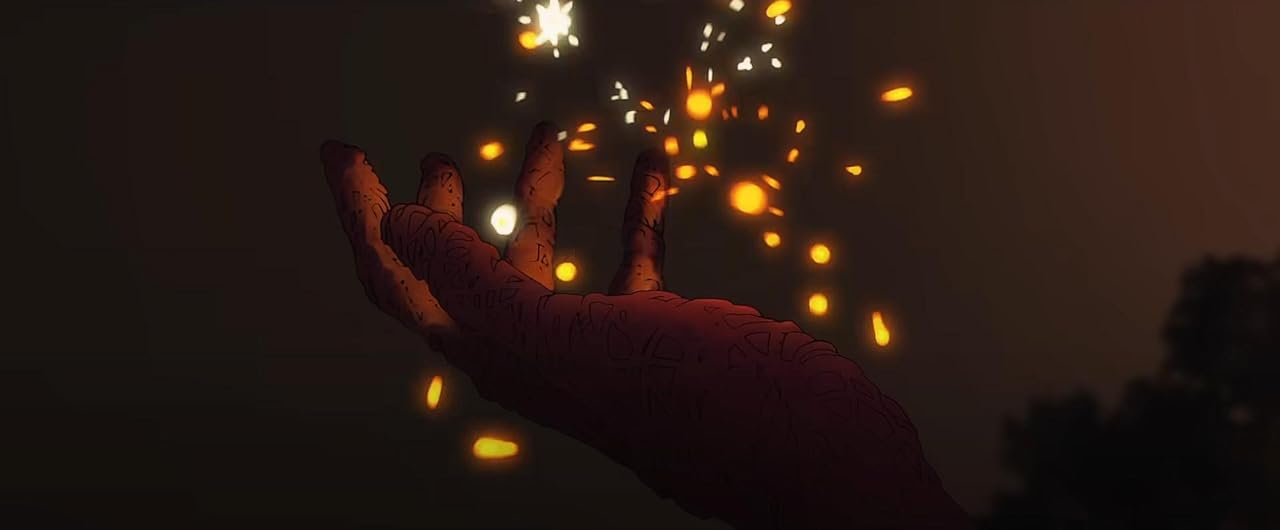
Emotional arcs are handled with care, giving weight to moments of vulnerability and connection. Denji’s development throughout the film is marked by both growth and continued struggle, particularly in his relationships with Reze and Makima. Scenes of quiet introspection, such as moments in the café or during fireworks, provide a counterpoint to explosive action, allowing viewers to engage with the characters’ inner lives. The narrative invests as much in emotional stakes as in physical danger, ensuring a fully rounded story experience.
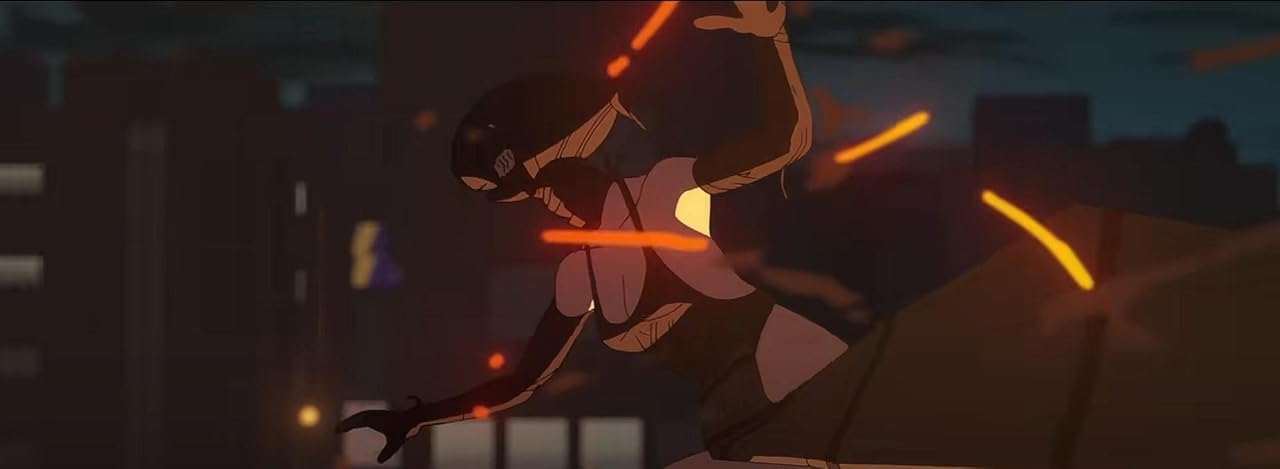
The climactic sequences highlight the film’s mastery of tension and choreography. Denji’s confrontation with Reze and the Typhoon Devil combines inventive combat mechanics with narrative resolution. Using Beam strategically and leveraging his chainsaw powers, Denji navigates the chaos with a mixture of instinct and intellect. These sequences are thrilling in execution while also carrying emotional weight, as Denji grapples with betrayal, trust, and the fleeting nature of human connection.
The film’s ending is poignant, leaving room for reflection and interpretation. Reze’s final decisions, Denji’s unresolved feelings, and the broader consequences for the characters invite contemplation, enhancing the story’s lingering impact. The post-credits scene injects subtle humor while also underscoring the bittersweet themes that run throughout, ensuring that the narrative resonates beyond the immediate viewing experience.
Critics have praised the film for its combination of visual spectacle, emotional depth, and strong character work. Rotten Tomatoes reports a 97% approval rating, highlighting its successful integration of action, story, and aesthetic design. Reviewers emphasize the bittersweet romantic elements between Denji and Reze as a standout aspect, elevating the film above standard action anime fare. Metacritic’s generally favorable score reinforces its positive reception among both critics and audiences.
The voice cast’s performance adds significant depth to the film. Kikunosuke Toya’s Denji conveys both brashness and vulnerability, while Reina Ueda’s Reze captures a complex blend of charm, cunning, and remorse. Fairouz Ai’s Power brings energy and unpredictability, and Tomori Kusunoki’s Makima provides a calm yet menacing presence. Shogo Sakata’s Aki complements the ensemble with understated strength, creating a balanced and engaging vocal performance across the board.
Chainsaw Man – The Movie: Reze Arc demonstrates how animation can deliver both spectacle and emotional storytelling. The film’s artistry lies not only in its stunning visuals and kinetic action but in its ability to explore character psychology and moral ambiguity. The audience is invited to experience fear, excitement, tenderness, and heartbreak all within a single narrative, making the film both entertaining and deeply affecting.
From start to finish, the movie maintains a careful balance between high-octane sequences and contemplative character moments. The filmmakers prioritize emotional resonance alongside visual intensity, ensuring that viewers connect with Denji and Reze’s journey on multiple levels. Themes of love, betrayal, and self-discovery are woven seamlessly into the action, producing a story that resonates long after the credits roll.

The combination of meticulous animation, compelling voice performances, and a thoughtfully constructed score ensures that Chainsaw Man – The Movie: Reze Arc captivates both fans of the original series and newcomers alike. The movie respects the source material while enhancing it with cinematic techniques, creating a fully immersive experience. Each element, from choreography to lighting to musical cues, contributes to a coherent and engaging whole.
Chainsaw Man – The Movie: Reze Arc succeeds in expanding the universe of the anime while delivering a self-contained and emotionally engaging story. Its careful attention to character development, narrative structure, and visual storytelling creates a cinematic experience that is as intellectually satisfying as it is visually thrilling. Fans will find familiar excitement, while new viewers are invited into a rich, complex world filled with danger, intrigue, and unexpected emotional depth.
