Running time: 101 minutes
Director: Tina Romero
Writer: Tina Romero, Erin Judge
Cast: Katy O'Brian, Jaquel Spivey, Riki Lindhome, Jack Haven, Cheyenne Jackson, Margaret Cho
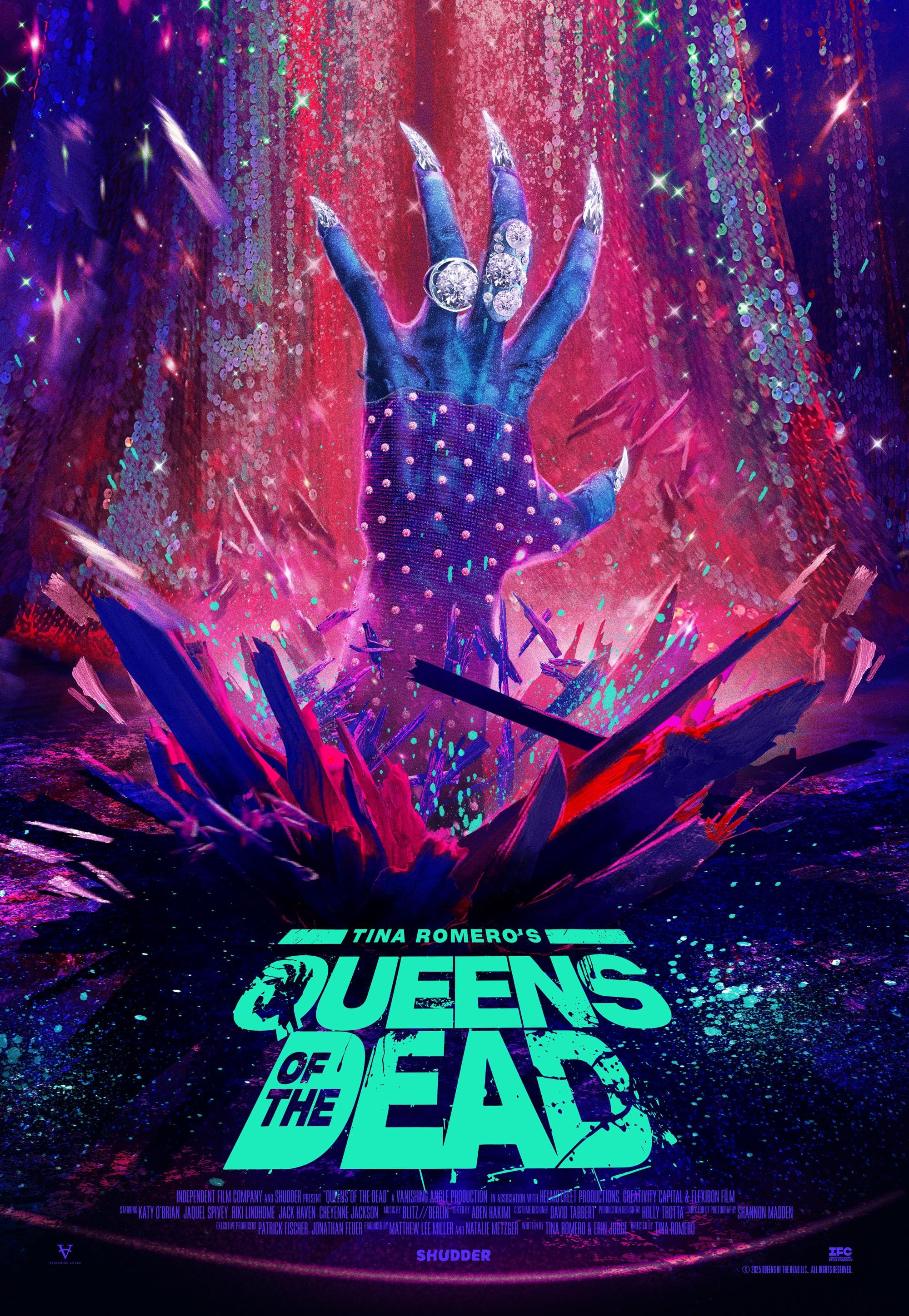
I had the pleasure of watching Queens of the Dead, a vibrant and lively horror comedy that blends camp, style, and undead chaos with remarkable ease. The film delivers an energetic mixture of humor and spectacle rooted in drag culture, club-kid aesthetics, and an affectionate nod to classic zombie cinema. While zombie stories have appeared in countless variations over the decades, this title carves out its own personality through confident direction, rich characterization, and an atmosphere that feels both festive and perilous.
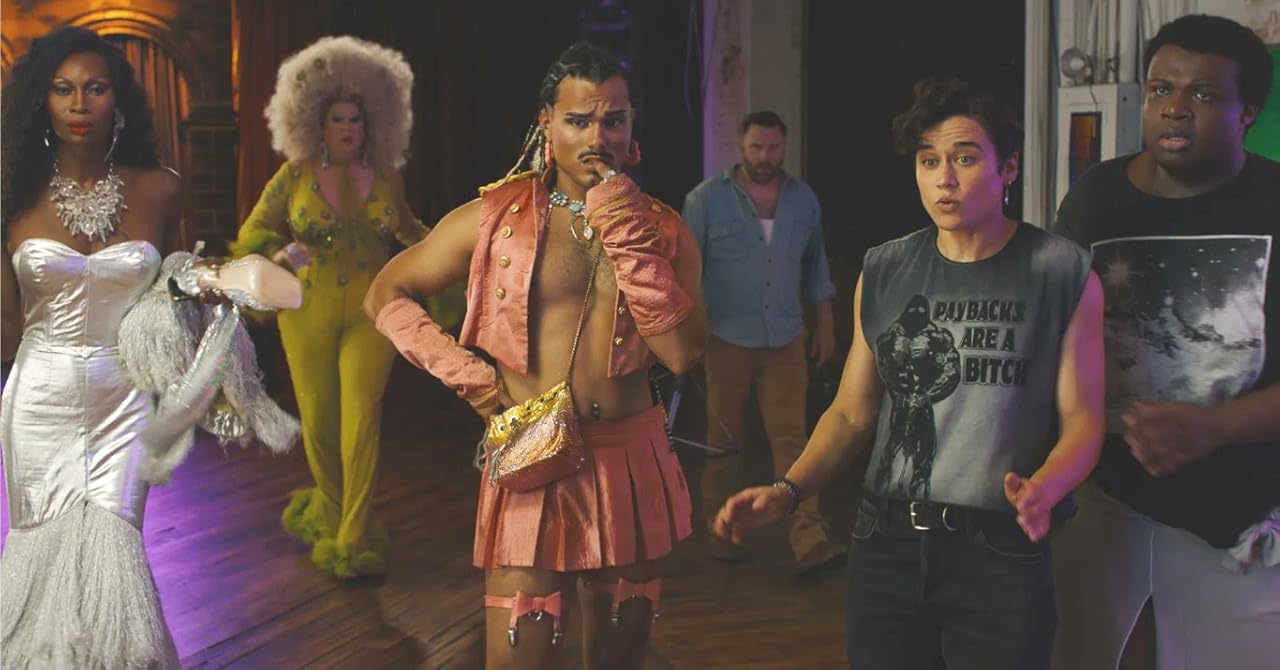
The story takes place during a massive warehouse party where drag performers, club kids, and a variety of expressive personalities gather to celebrate a long-awaited night out. The festivities quickly descend into madness when an outbreak of ravenous undead interrupts the music and lights. What unfolds is not simply a survival narrative; the film focuses on how these performers use their talents, sharp instincts, and camaraderie to navigate a crisis they never prepared for. The juxtaposition of glamorous self-expression with the grotesque makes the experience charming and surprisingly heartfelt.
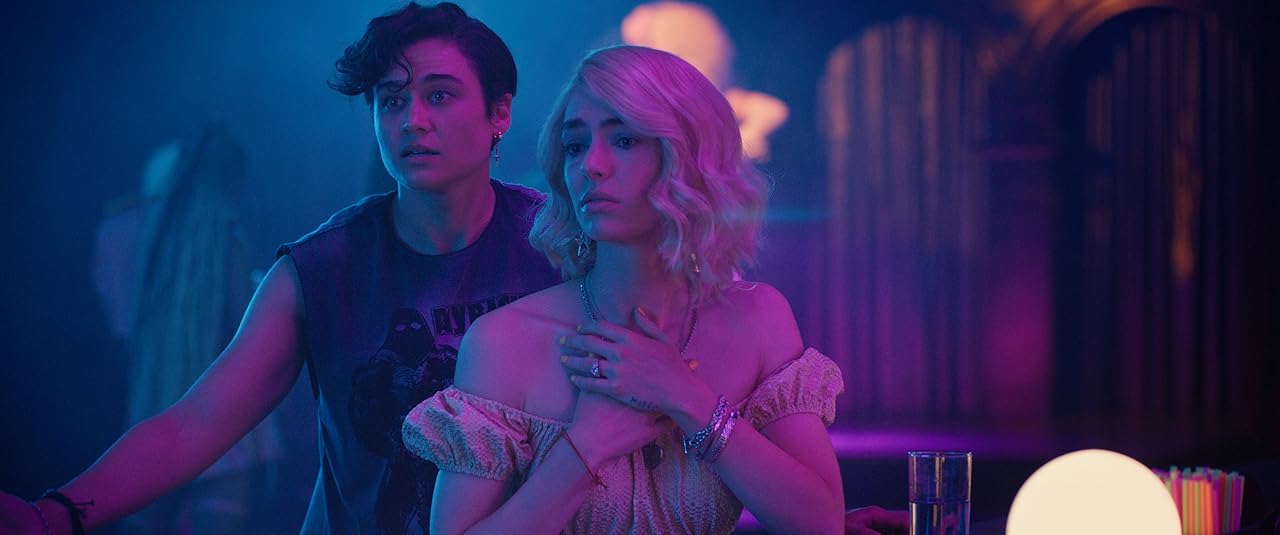
As the narrative progresses, you may find yourself noticing how gracefully the director balances tension with levity. Tina Romero brings a playful rhythm to the pacing, allowing each character to shine before plunging them into eerie encounters. The film never seems to rush through emotional beats, giving the performers ample space to display personality and depth. Katy O’Brian’s portrayal of Dre introduces a grounded confidence, while Jaquel Spivey’s Sam radiates warmth and vulnerability that gently draws the audience in. Their dynamic, accompanied by a diverse ensemble, creates a sense of genuine community even under extraordinary circumstances.
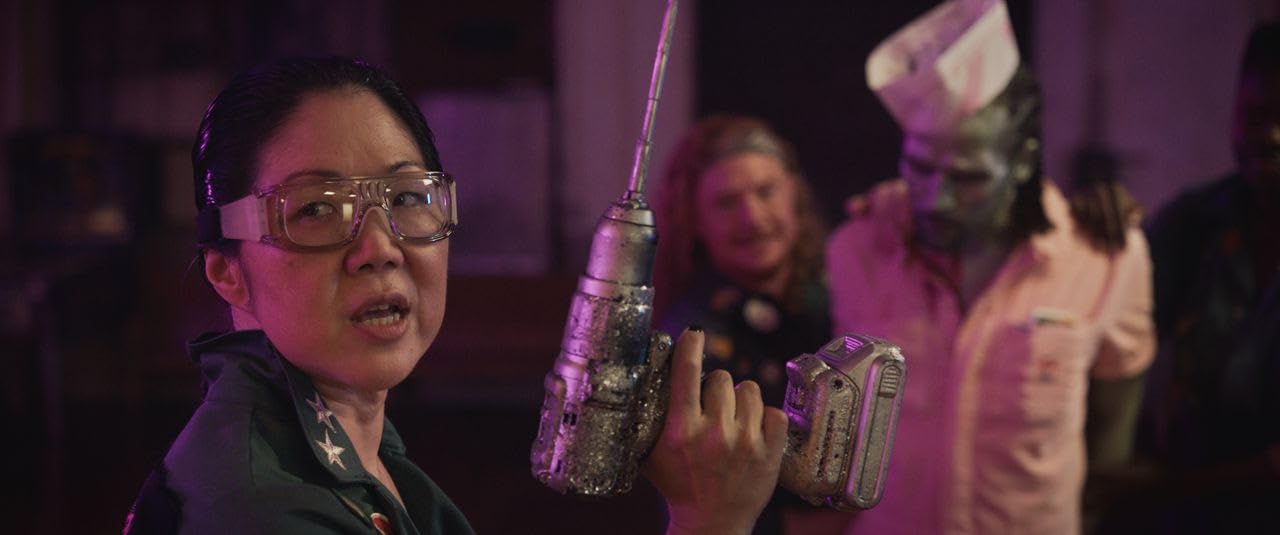
Several scenes highlight the contrast between flamboyant performance art and the grim threat surrounding the group. Riki Lindhome brings an amusing eccentricity to the role of Lizzy, while Jack Haven’s Kelsey moves through the chaos with a delightful mix of grit and flair. Every cast member contributes a distinct energy that shapes the tone of the film. Margaret Cho, as Pops, injects a steady presence that supports the emotional core of the group. Her timing and delivery add texture without overwhelming the narrative flow.
The setting of the warehouse party serves as a visually stimulating backdrop that enhances the experience. Bright lights, imaginative costumes, and striking makeup designs amplify the camp spirit of the film. At the same time, the cinematography by Shannon Madden uses shadows, close-ups, and sudden bursts of movement to remind the audience that danger lurks behind every corner. The contrast between spectacle and horror becomes a signature feature of the movie, adding layers to an already vivid world.
The music, composed by Blitz//Berlin, elevates the scenes with pulsating rhythms and atmospheric tones. The soundtrack strengthens both the comedic beats and the action sequences, supporting the transitions between humor and suspense. The editing maintains momentum without sacrificing clarity, ensuring that each chaotic moment remains coherent and engaging. Aden Hakimi structures the unfolding events in a way that guides the viewer through emotional shifts with ease.
You may also notice how the film embraces its queer identity without turning it into a source of conflict. The characters are defined by their passions, friendships, and personal struggles rather than stereotypes. This approach offers a refreshing and heartfelt perspective on representation. Their interactions feel natural, affectionate, and genuine, giving the story more emotional weight than one might expect from a traditional zombie comedy. There is a clear sense of unity among the group, one that becomes stronger as they confront unexpected threats.
The humor emerges from character-driven situations rather than exaggerated gags. Many of the funniest moments occur in the midst of danger, where quick wit and confident attitude become tools for survival. The performers demonstrate impeccable timing, delivering lines that feel spontaneous while enhancing the overall tone. The comedy never undercuts the stakes but instead enriches the texture of the experience.
As the group faces the undead horde, their creativity becomes a crucial part of their resilience. Whether through improvisational tactics or resourceful use of performance props, each character contributes something distinctive to the fight. The blend of practical ingenuity and theatrical flair provides memorable sequences that stand out from more conventional zombie battles. Watching the protagonists navigate chaos with charm and skill makes the action sequences both entertaining and refreshing.
The emotional engagement deepens through subtle character development. Moments of vulnerability appear organically, granted enough space to resonate without overshadowing the momentum of the plot. These glimpses of fear, hope, and determination forge a connection between the audience and the characters. By the time the tension escalates, you may feel invested in the outcome not simply because of the danger, but because the characters have established themselves as people worth rooting for.
The film’s visual style reinforces the theatricality of the narrative. Costumes shimmer under dramatic lighting, and makeup designs contribute to the expressive identities of the characters. The creative team behind the production design succeeds in building an environment that feels both welcoming and unpredictable. This world, colorful and shadowy at once, mirrors the dualities explored in the film: celebration and fear, community and isolation, beauty and chaos.
Tina Romero’s direction pays homage to horror classics while introducing a modern voice that celebrates individuality and resilience. Her ability to merge diverse tones, from heartfelt drama to bold humor, results in a distinctive cinematic experience. The writing, shared between Romero and Erin Judge, incorporates lively dialogue and thoughtfully crafted interactions. Every exchange feels purposeful, whether it reveals character motivations or intensifies the rising tension.
While the zombies function as a primary source of conflict, they also symbolize external pressures that attempt to disrupt spaces of joy and expression. The performers, in their determined fight to preserve themselves and each other, embody a form of resistance grounded in creativity and unity. This thematic undercurrent enriches the story, giving the film a layered appeal that goes beyond its surface-level thrills.
Moments of suspense are carefully orchestrated, drawing attention to shifting dynamics within the group. The sound design complements the visual storytelling, incorporating unsettling groans, sudden silences, and rhythmic beats that heighten anticipation. Each confrontation with the undead becomes an opportunity for the characters to demonstrate growth and adaptability.

The supporting cast contributes significantly to the ensemble spirit. Cheyenne Jackson’s Jimmy moves through scenes with a charismatic presence, while Shaunette Renée Wilson’s Tiger introduces strength and subtle emotional nuance. Eve Lindley, portraying Jane, adds texture to interactions with a thoughtful and grounded performance. These characters, though distinct, form a cohesive unit that enriches the emotional impact of the film.
Cameo appearances by Nina West, Tomas Matos, Becca Blackwell, Dominique Jackson, and others expand the world without overwhelming the narrative. Their involvement strengthens the celebratory atmosphere of the story, offering additional perspectives within the vibrant setting. Each appearance adds small sparks of individuality, contributing to the layered environment that defines the film.
As the journey reaches its peak, the balance of humor and intensity becomes one of its most striking qualities. The battle sequences are lively and inventive, shaped by quick-thinking and unconventional strategies. The characters’ unique talents often influence the tactics they employ, transforming typical zombie confrontations into something infused with personality and flair. These sequences stand out not only for their choreography but for the emotional significance they carry for the characters involved.
Moments of quieter reflection help ground the film during its high-energy progression. Characters pause to acknowledge their fears or express gratitude for companionship, revealing the deep bonds they share. These interludes make the more dramatic scenes feel richer, allowing the emotional arc to develop gradually. The narrative structure supports this flow, guiding the audience through shifting moods without abrupt transitions.
The film’s closing stretch maintains the heightened energy of the earlier acts while delivering scenes that invite emotional reflection. You may find yourself appreciating how the characters lean on each other in unexpected but deeply meaningful ways. Each struggle becomes a testament to their adaptability and inner strength. Their shared determination underscores the message that community thrives even under the harshest conditions.
When the story concludes, the impression left behind is one of spirited celebration and heartfelt resilience. The mixture of horror, comedy, and character-driven storytelling produces an engaging experience sustained by charm and creativity. Queens of the Dead stands as a lively contribution to the genre, demonstrating that bold artistry and emotional sincerity can coexist beautifully within a wild and unpredictable setting.
This film offers a refreshing interpretation of the zombie narrative, shaped by a vibrant ensemble and confident direction. It succeeds in delivering excitement while highlighting the power of self-expression and collective strength. Viewers seeking an energetic blend of humor, suspense, and meaningful representation may find this work especially rewarding.
The aftertaste of the film lingers with warmth, theatrical intensity, and a spirited commitment to joy in the face of adversity. The world it builds feels inviting, even amid chaos, and the characters resonate with sincerity and vivacity. Queens of the Dead deserves attention for its creativity, inclusivity, and fearless approach to blending genres into an unforgettable ride.